Sepultura – ‘Bestial Devastation’Iggor, Jairo e Max falam sobre os ,30 anos do primeiro disco da
Fotos: Acervo Silvio Gomes
Se lá em 1985 um profeta daqueles de longa barba branca, apoiado em um cajado e fala tranquila dissesse que o Sepultura que estava prestes a lançar Bestial Devastation fosse um dia se tornar um dos maiores nomes do metal mundial, ninguém acreditaria. Ou que aqueles adolescentes que estavam compondo músicas pesadas, sujas e urgentes fossem um dia gravar algo como “Kaiowas” e seriam adorados pelos mais importantes nomes da música no mundo, o velhote seria chamado de louco e o mandariam para o hospício.
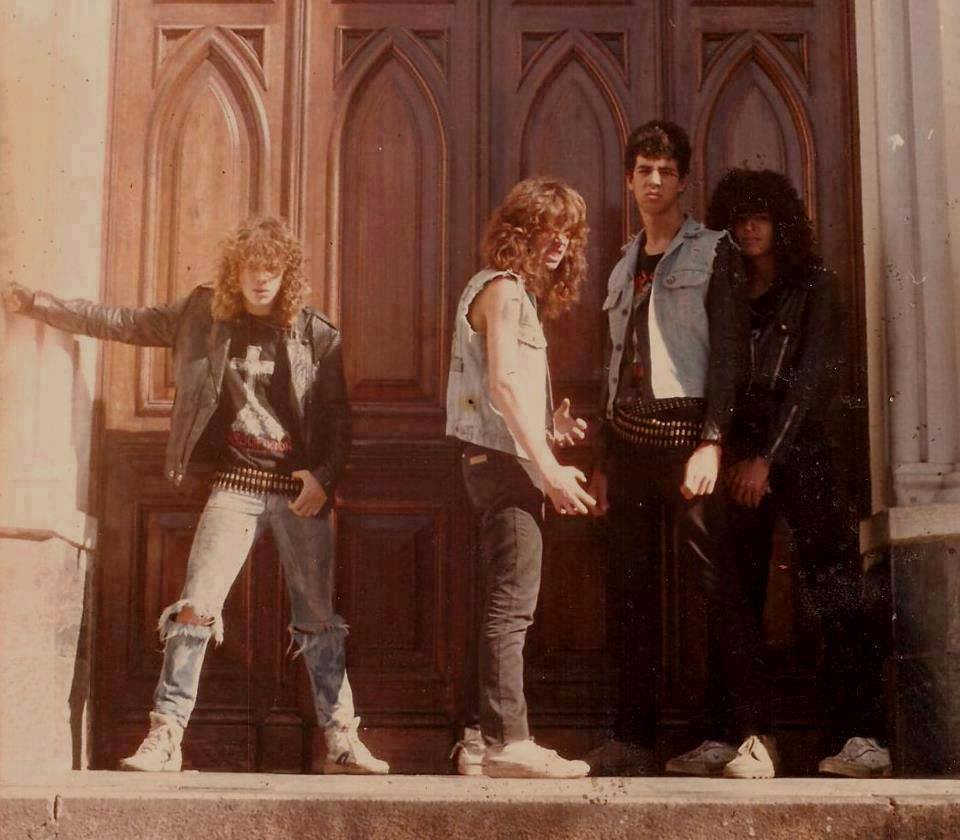
Belo Horizonte, 1984. Os irmãos Max e Iggor Cavalera, guitarra e bateria, respectivamente, juntos com Paulo Jr (baixo) e Wagner Lamounier (guitarra), montam o Sepultura. Um ano depois, Lamounier sairia da banda e fundaria o Sarcófago. Wagner foi substituído por Jairo Guedes, e com essa formação a banda gravaria seu primeiro registro: Bestial Devastation.
A partir daí, aqueles quatro moleques estavam prestes a se tornarem a família de milhares de brasileiros ávidos por uma banda para chamar de sua.
Em São Paulo, corriam algumas lendas e o que mais se comentava era sobre a pouca idade e o energia violenta que a banda despejava em suas apresentações ao vivo.
Era o tempo das cartas, do telefone discado, das poucas revistas especializadas,e por conta disso, lendas se tornavam verdades absolutas. Quem viu o Sepultura ao vivo naquela metade de década ficou estarrecido.
Conversamos com Max Cavalera, na época, Max “Possessed”, para saber um pouco mais sobre os 30 anos do lançamento de Bestial Devastation.
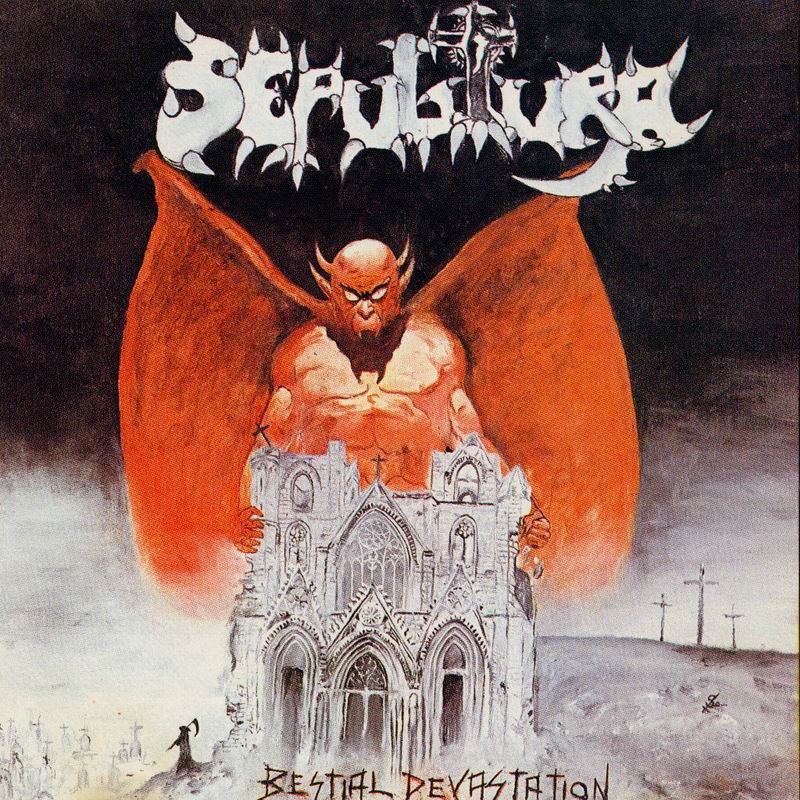
Sounds Like Us: Como era o Max na época da gravação do Bestial Devastation e o que você lembra que o disco trouxe de bom pra banda?
Max Cavalera: A gente ficou feliz de ter conseguido um contrato. Foi a chance que a gente teve de gravar nossas músicas em um estúdio de verdade. Eu era apenas um grande fã de metal, não esperava muita coisa, mas, em São Paulo, muitas pessoas comentaram que o nosso som era tão bom como de bandas como Kreator. Na época, a revista Kerrang deu uma coluna inteira para o disco, por ser a primeira banda brasileira de metal. Fomos uma espécie de pioneiros, embora a gente não soubesse disso.
Sounds: E sobre a composição daquelas músicas? Como foi o processo e a gravação? Quais são suas lembranças da época?
Max: A primeira demos que fizemos foi para “Necromancer” e ficou animal! O som do Bestial Devastation é muito melhor do que do Morbid Visions. O disco foi gravado e mixado em três dias. A gente fazia umas jam no Jam Pad, mas os riffs são meus e também escrevi todas as letras das músicas. O Jairo fez as guitarras solo e o Iggor tocou com um kit de batera emprestado. O Paulo não gravou o baixo, eu e o Jairo fizemos isso. Já a capa do Bestial foi feita por um amigo nosso. Ele tinha que fazer isso às 3h da madruga porque a família do cara era extremamente religiosa e não poderiam ver aquilo! Aí ele se escondia debaixo da cama durante o dia!
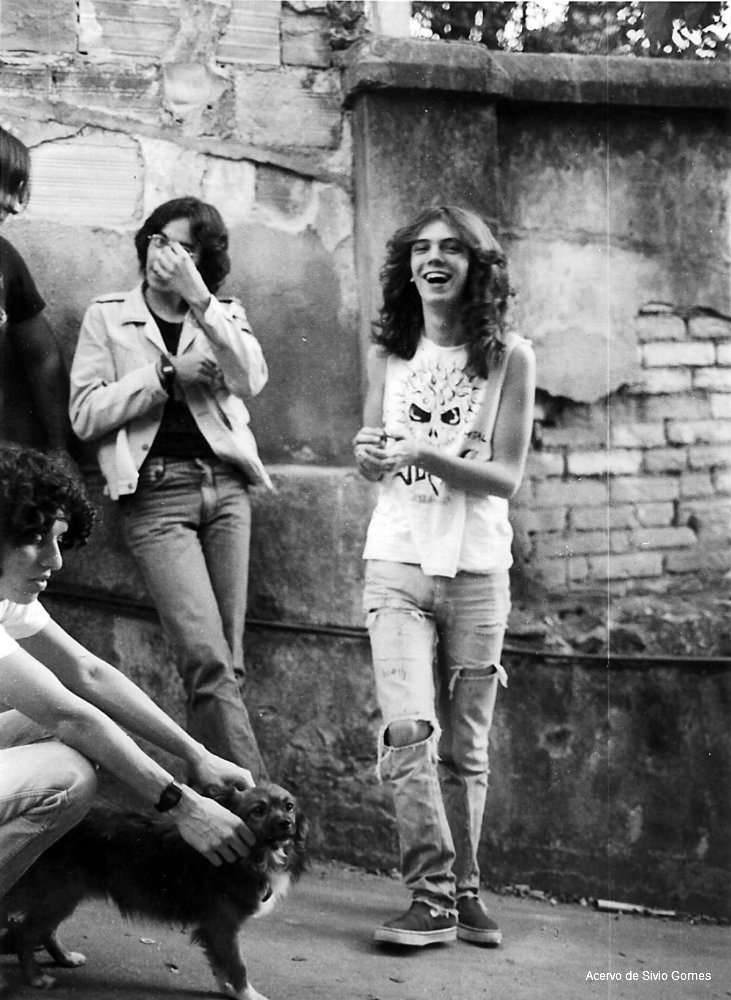 Max Cavalera
Sounds: Hoje, seus filhos dividem o palco e o estúdio com você. Na gravação do Bestial Devastation você também era bem novo. É como se a história se renovasse mesmo. Você já chegou a olhar pra eles no palco e pensar: “Caralho, era o meu sonho. Hoje é o deles”?
Max: Claro que eu fico orgulhoso pra caralho de ver que eles estão se tornado músicos. Fico muito animado de ouvir a bateria do Zyon, o Igor arregaçar nos vocais. Ele tem a minha habilidade para compor riffs, um dom que ele recebeu de mim. Richie é um frontman realmente notável! Eles aprenderam muito saindo em turnê com a gente desde que eram muito jovens.
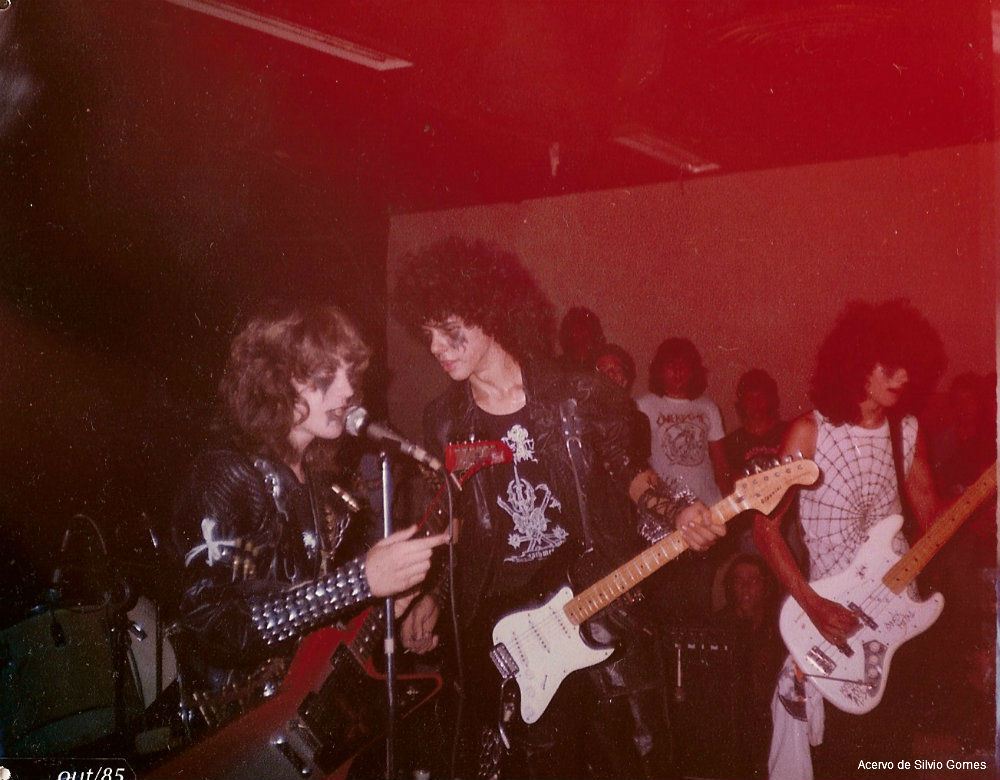 Max, Jairo e Paulo ao vivo em 1985. Foto: Acervo Silvio Gomes
Sounds: Você apresentou muitos artistas ao público brasileiro, que ficava de olho nas suas camisetas e nas suas indicações de banda. Você ainda tem esse espírito de buscar novas bandas?
Max: Eu ainda gosto de música do mesmo jeito e me envolvo com novas bandas. Para mim, a primeira vez que ouvi Hellhammer foi como a primeira vez que ouvi o Nails. É sempre emocionante!
Sounds: David Ellefson, do Megadeth, disse que o Sepultura foi a maior influência para uma nova geração do metal assim como o Metallica tinha sido uma grande influência para a geração dele. Você acha que o Max lá de 85 poderia esperar um dia escutar uma declaração dessa?
Max: Não. Um monte de gente diz essas coisas agora, mas ninguém disse algo parecido naquela época. Nós nunca sequer sabíamos que estávamos fazendo grandes coisas quando estávamos fazendo aquilo. Nunca pensamos nisso. E eu não vivo no passado.
Na época (85), já existiam Vulcano, Hellhammer, Venom, mas o Sepultura se aproximava mais dos primeiros discos de bandas como Possessed, Voivod e Kreator. Mesmo com essas semelhanças, a sensação e os vereditos nas inúmeras conversas de bar, nas praças, Woodstock ou na Galeria do Rock era que eles estavam sempre um passo a frente.
Bestial Devastation é um disco de afronta, talvez benefício da pouca idade que não se apoia no receio como fronteira segura. Quando se é jovem, você quer mais é questionar e transpor limites para provar que pode ser o mais extremo e, assim, conquistar o seu espaço. E nesse caso, talvez ninguém vinha com mais sangue nos olhos do que Iggor Cavalera.
O comentário era sempre sobre o jeito daquele moleque arregaçar a bateria. E realmente não existia nada igual. Iggor era sanguinário. Tinha vontade, raiva, velocidade, groove e, principalmente, identidade e foi isso que fez com que ele deixasse sua marca, sendo conhecido hoje como um dos bateristas mais influentes da música.
Enquanto esteve no comando da cozinha, tudo soava orgânico e poderoso. Era um som grandioso e isso talvez tenha origem na história de um cara que sempre frequentou o universo dos novos sons e assumia suas influências vindas de lugares diversos que nem sempre tinham origem no metal. Conversamos com ele para entender melhor como ele enxergava aqueles dias e o significado de Bestial Devastation na vida dele.
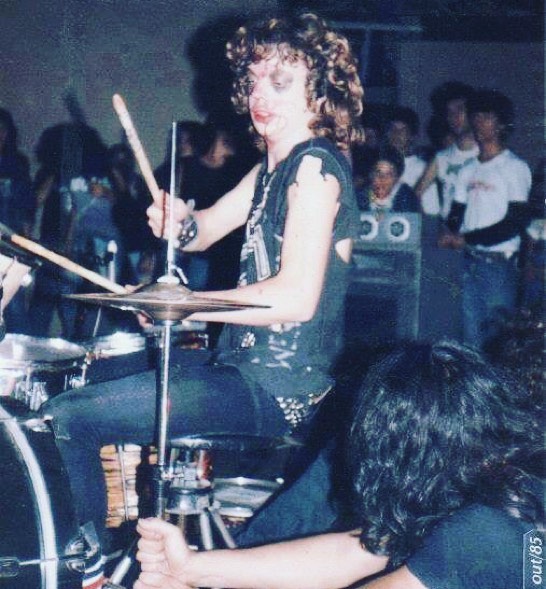
Sounds Like Us: Quais são suas lembranças ao parar e pensar que lá se foram 30 anos desde a gravação e o lançamento desse primeiro registro do Sepultura?
Iggor Cavalera: Cara, foi bem legal. Principalmente pelo fato de ter começado uma história com meu irmão e que acabou virando um vinil bancado por uma loja de discos. O resto da história todos nós já sabemos.
Sounds: Para a época, o Bestial Devastation era um disco bem sujo. E quando se tem 16 anos, dentro de um estilo contestador e agressivo, a ideia é sempre chocar. Você acha que esse disco cumpriu esse papel?
Iggor: Eu tinha 15 anos. Era bem difícil tentar explicar para um engenheiro de som, acostumado a gravar sertanejo, que você queria uma guitarra totalmente destorcida e uma bateria com som de metralhadora. Mas conseguimos um resultado legal. O mais foda é ainda hoje tocar um som como “Troops of Doom” e sentir a adrenalina tomar conta de você.
Sounds: Sem internet e com a dificuldade de compartilhar informações, várias histórias eram criadas sobre as bandas na época. Foi o caso do Kiss, que “matava animais no palco”, do WASP, que serrava mulheres, do Venom, que cultuava o demônio, e por aí vai. Chegou a rolar alguma lenda urbana sobre vocês nessa época?
Iggor: Hahahaha… Comigo teve o lance de segurar uma moeda na parede batendo com as baquetas para aquecer no camarim antes dos shows, e é claro que eu confirmo sempre essa lenda.
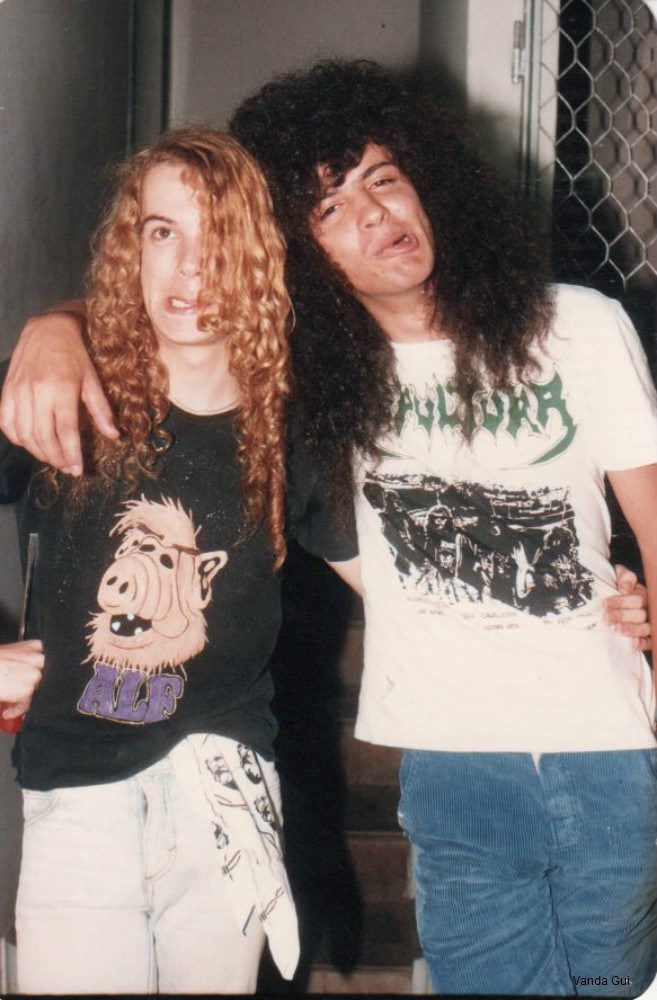 Iggor e Paulo. Foto: Vanda Gui
Sounds: Em uma época de som mais extremo, você vestia camiseta do English Dogs. Depois, em uma fase mais thrash metal, incentivava bandas como Faith no More e Clutch. Isso sempre foi muito legal…
Iggor: Sim! Sempre foi o nosso combustível. E continua sendo com o Mixhell. Haters gonna hate!
Sounds: Como você se sente sendo constantemente mencionado como um baterista com muita identidade e criatividade?
Iggor: Comecei a tocar bateria aos sete anos de idade. Isso foi muito antes de pensar em formar uma banda, então acho que isso sempre me fez enxergar a bateria como o tipo instrumento principal, e não como um instrumento que existe só pra acompanhar as guitarras.
Sounds: Tentando fazer uma viagem no tempo e pensando naquela época, do que mais você sente falta?
Iggor: Dos amigos que acompanhavam os ensaios da banda. Era como um uma gangue, um culto secreto.
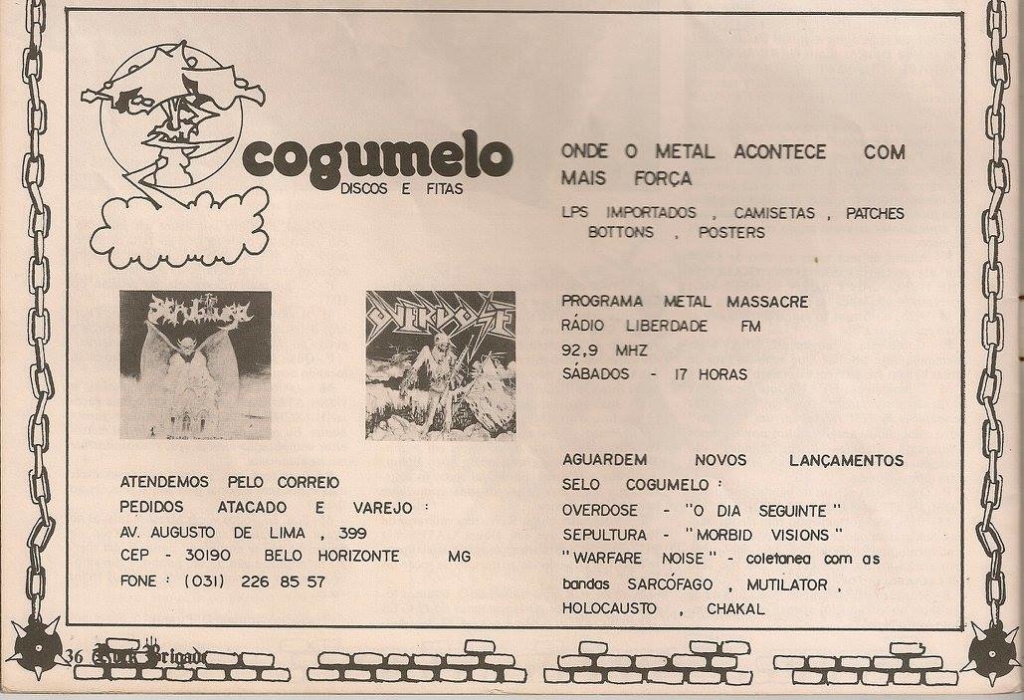 Anúncio da revista Rock Brigade com as capas do Bestial Devastation e Overdose
Bestial Devastation foi lançado no formato split. De um lado, Sepultura. Do outro, o Overdose, banda que já tinha uma certa moral na época. Eram vistos como profissionais, tinham bons músicas e faziam um heavy metal mais tradicional, nos moldes da New Wave of British Heavy Metal.
O ponto é que, comparado ao Overdose, o Sepultura era uma novidade que, além da agressividade, também trazia um toque de técnica, e um dos repossáveis por isso foi Jairo “Tormentor”, hoje, apenas Jairo Guedes.
Ao lado de Max “Possessed”, Igor “Skullcrusher” e Paulo “Destructor” , Jairo ajudou a banda a atingir um grau de peso e brutalidade que, para uma banda brasileira, era inimaginável.
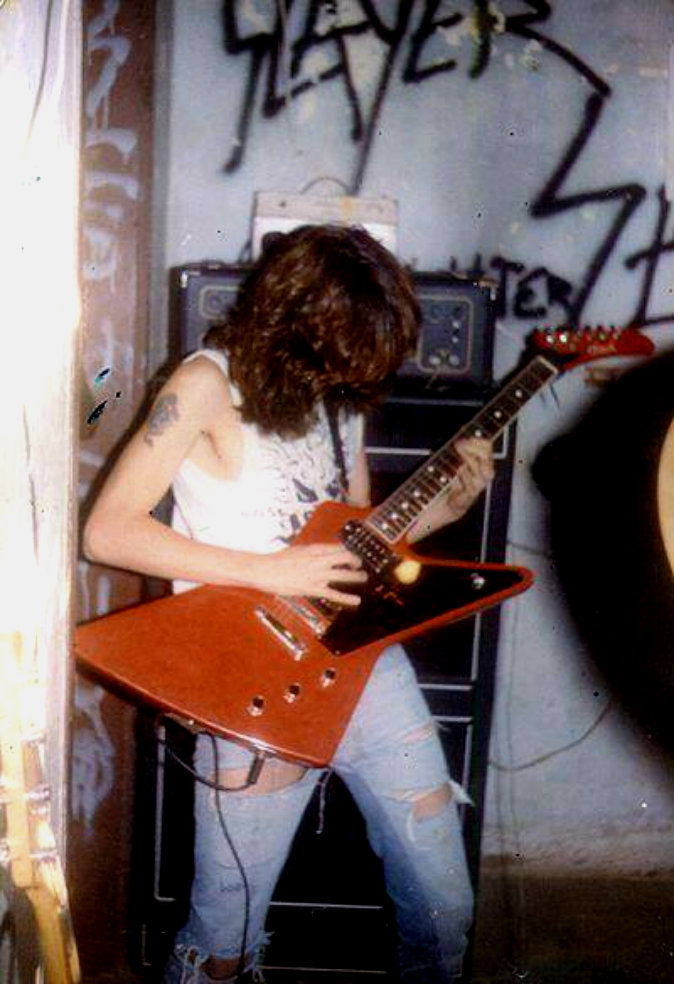
SEpulturaCom Jairo na segunda guitarra, a banda tinha muita consistência e estabilizava a formação que ainda iria compor Morbid Visions e Schizophrenia. Segundo Max, “Jairo era um bom guitarrista, sabia tocar Slayer e Mercyful Fate e me ensinou alguns riffs”.
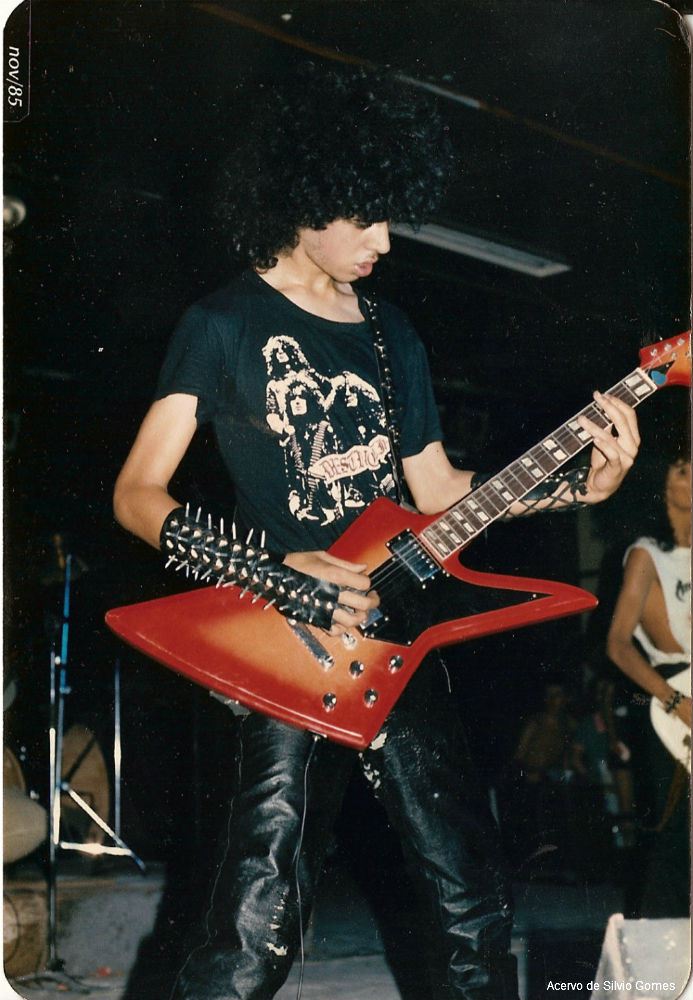 Jairo Guedz. Foto: Acervo Silvio Gomes
Sounds Like Us: 30 anos de Bestial Devastation. Algum dia passou pela sua cabeça que você atingiria tantas pessoas com a sua música? Como era o Jairo nessa época e quais são suas lembranças da fase de composição e gravação do disco?
Jairo Guedz: Nunca imaginei isso. Nenhum de nós imaginava. Eu era muito novo, muito inocente, apesar de ser o único da banda que fumava e bebia (e por isso eu era crucificado pelo Max e pelo Iggor o tempo todo). Nessa época eu dividia minha vida entre escola, trabalho, namorada e duas casas, porque eu vivia mais na casa do Max do que na minha. Durante as gravações e a pré desse disco, a gente não tinha nenhum conhecimento sobre equipamentos, estúdio, logística de uma banda, nada! A cada álbum a coisa vai tomando forma, e alguns de nós foram se interessando por “isso” ou “aquilo” e se tornando mais exigentes e profissionais em suas escolhas. No início a gente bateu muito a cabeça na parede pra tirar proveito do que ainda não conhecíamos bem.
Sounds: Um amigo nosso tinha o split com o lado do Overdose todo riscado. Tinha umas histórias de que os fãs do Sepultura riscavam o Lado A de propósito mesmo. Como foi toda essa história…
Jairo: A gente pediu para alguns amigos fazerem isso naquela época. O Overdose era como o “filho” bem-criado e o Sepultura o filho bastardo tanto da Cogumelo Records, como no contexto geral do mercado e dos grupos daqueles tempos em Belo Horizonte. Claro que nos tornamos grandes amigos depois disso, mas, logo no início, a ideia era comprar algumas caixas de LPs e riscar com um prego, álbum por álbum, apenas o do Overdose, para depois revender para os chegados e também deixar alguns separados pra divulgação no exterior.
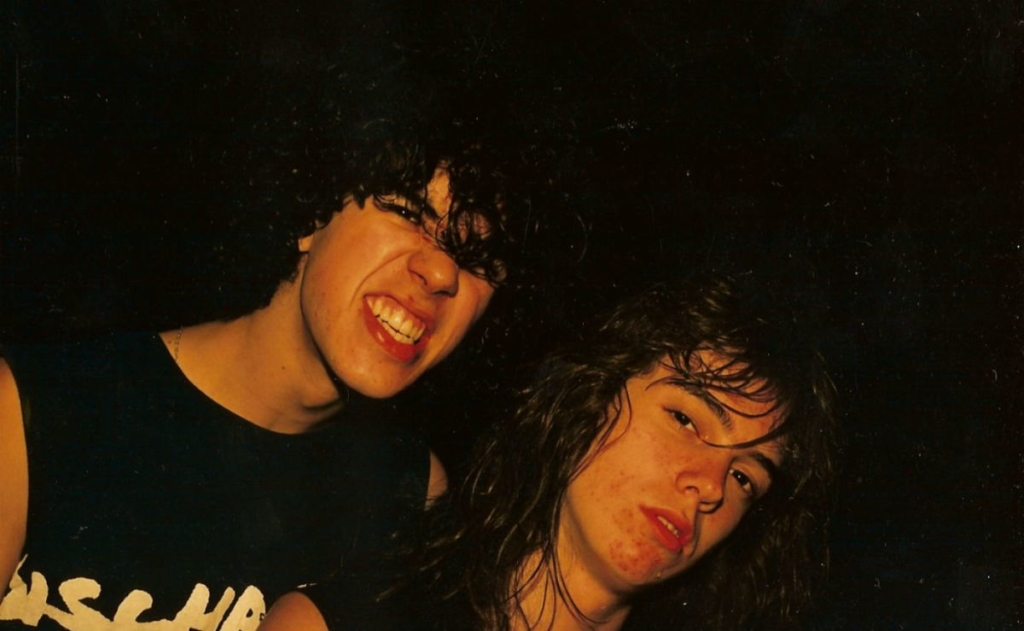 Jairo e Max
Sounds: O meio da década de 80 foi uma época bem fértil dentro da música extrema com bandas como vocês, Chakal, Mutilator, Holocausto e Sarcófago. Em que momento você se deu conta de que aquelas bandas juntas teriam força para formar aquele cenário e quando foi que essa força se perdeu?
Jairo: A gente não tinha ideia dessa famosa “cena”, não era algo intencional nem de longe. Era natural. Nos vestíamos, tocávamos e nos portávamos como podíamos e da forma que nos era agradável, tosco, confortável no sentido de nos manter “inseridos” em um grupo. Não pensávamos em “cena” e sim em “estar inserido em um grupo” que representava um mesmo estilo de música, de pensamento, de atitude. A Cogumelo foi o primeiro “eixo” e talvez o primeiro elemento propulsor dessa “cena” metal em BH. Mas acredito que até mesmo pra eles a coisa não era tão intencional ou mercadológica assim no início. Lá pelo ano de 1988 que a coisa foi tomando forma, força e criando bases fortes em relação a um mercado. Tínhamos mais acesso aos álbuns e vídeos de fora, e com isso descobrimos que uma cena estava realmente se formando.
Sounds: Se não nos falha a memória, o primeiro show de vocês em São Paulo foi em 1986. Como tocar fora de MG? Rolava uma amizade já com as bandas de SP? Como o público recebeu o Sepultura?
Jairo: Foi como a realização de um sonho pra gente. Se hoje a meta de qualquer banda de heavy metal é tocar na Europa, naqueles tempos era sair de BH e tocar em SP. Foi muito bom para a imagem do Sepultura, e o Overdose não foi tão feliz assim por causa do público que apareceu naquela noite na casa. Éramos fãs de bandas como Vulcano, Korzus, Dorsal Atlântica, etc, então posso dizer que nunca me senti tão nervoso como me sentia nesses primeiros shows do Sepultura fora de Minas Gerais. Esse show foi uma porta que se abriu pra gente e nos deu fama na capital e no interior do estado de SP e depois, no Brasil!
Sounds: O Sepultura começou e se manteve dentro do metal, mas também nunca negou suas influências punk/hardcore, e isso smerpe nos pareceu ser um lance mais seu e do Max. Essa ideia de não se limitar já era algo presente no Bestial Devastation ou foi um lance que vocês só conseguiram colocar na música da banda mais tarde?
Jairo: Foi sim, verdade. Eu e o Max curtíamos muita coisa mais HC. O Paulo sempre foi mais pro lado melódico, mais do Iron Maiden. O Iggor também vinha com algumas ideias também e com isso acabamos formando o Guerrilha. Em algum tempo já conseguimos inserir alguma coisa mais HC na banda também, mas de forma bem sutil. Logo depois do Morbid Visions, começamos as composições do Schizophrenia, que escrevi quase totalmente com os caras e depois passei a “palheta” para o Andreas. Nesse álbum já tinha muito mais profissionalismo, solos mais elaborados, bases melódicas e HC misturadas, elementos mais harmônicos. Essas ideias mais HC vêm desde o Bestial Devastation sim, mas as ideias mais harmônicas vieram depois influenciadas por bandas como Metallica, Exodus, Testament, etc.
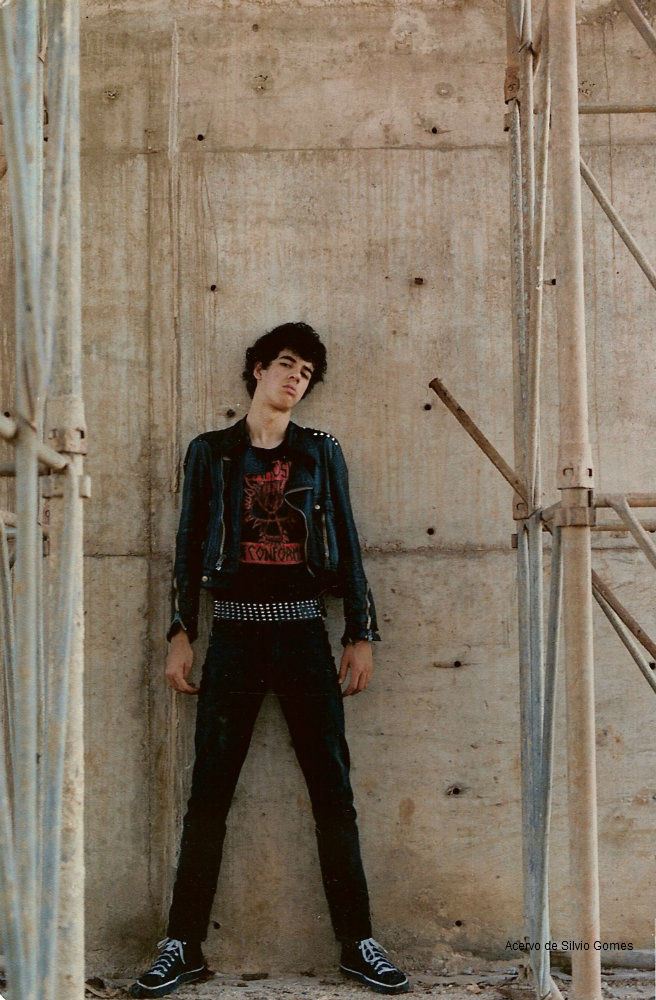 Jeiro Guedes. Foto: Acervo Silvio Gomes
O Sepultura é uma banda que não implora por um esforço da memória em resgatar o quanto é um dos nomes mais importantes de todos os tempos.
É como aquele seu amigo de infância que você viu criança, adolescente e hoje, na vida adulta, divide alguns bons momentos e compartilha boas histórias. O Sepultura tem aquela magia que pouco importa se é hoje ou daqui a 50 anos. Sempre que você escutar, vai parecer que é a primeira vez.
A impressão é que, lá em 85, nem eles sabiam muito bem o barulho que estavam fazendo. Mas tinham certeza do barulho que queriam fazer.

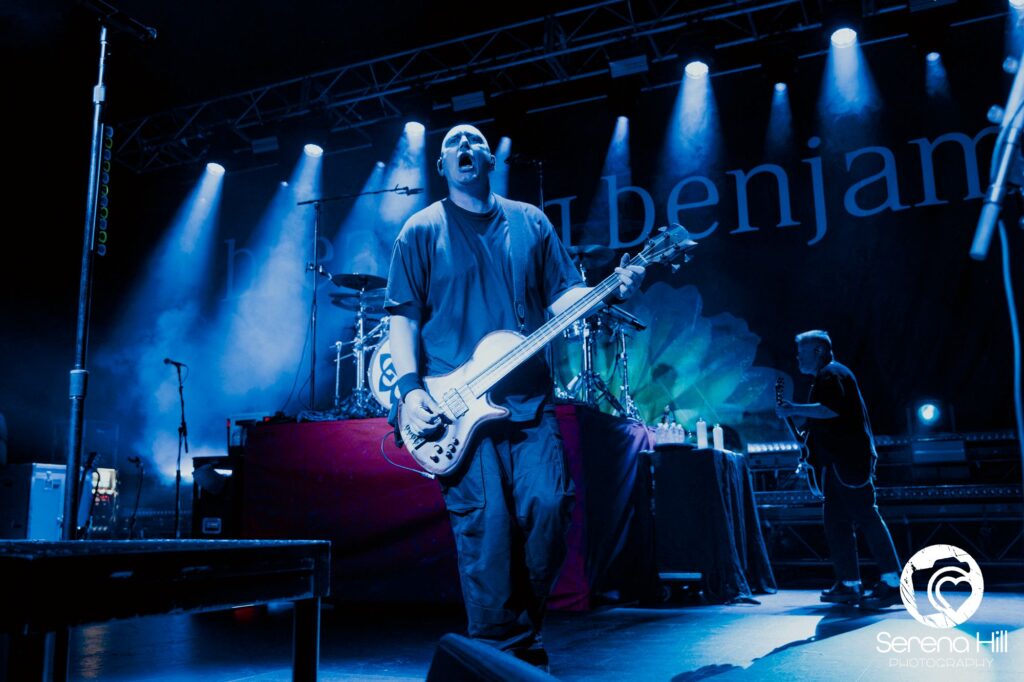
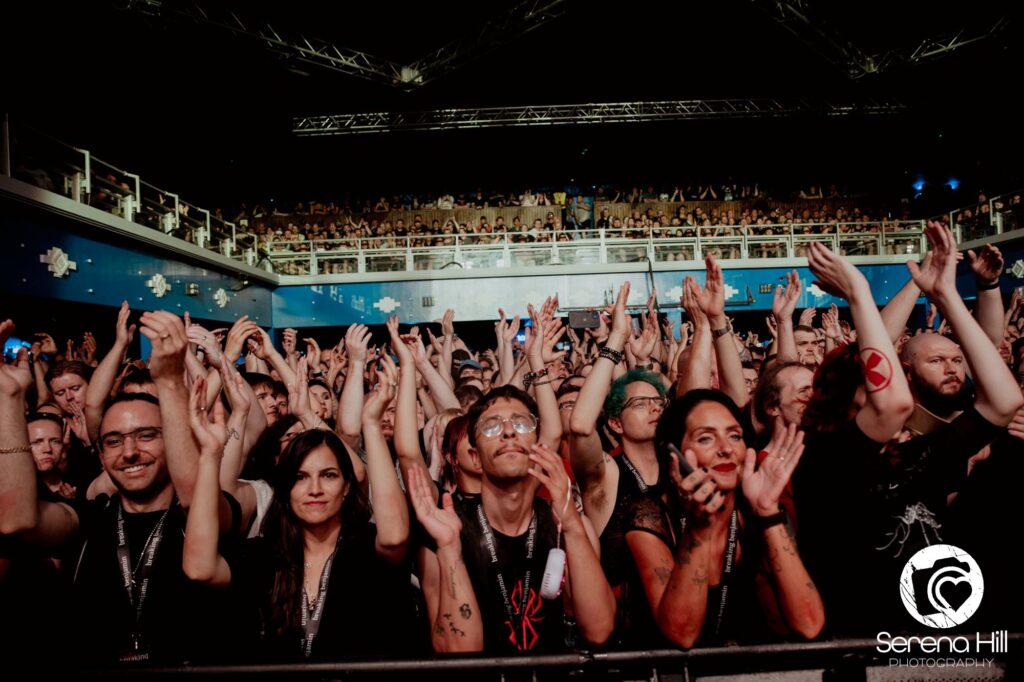
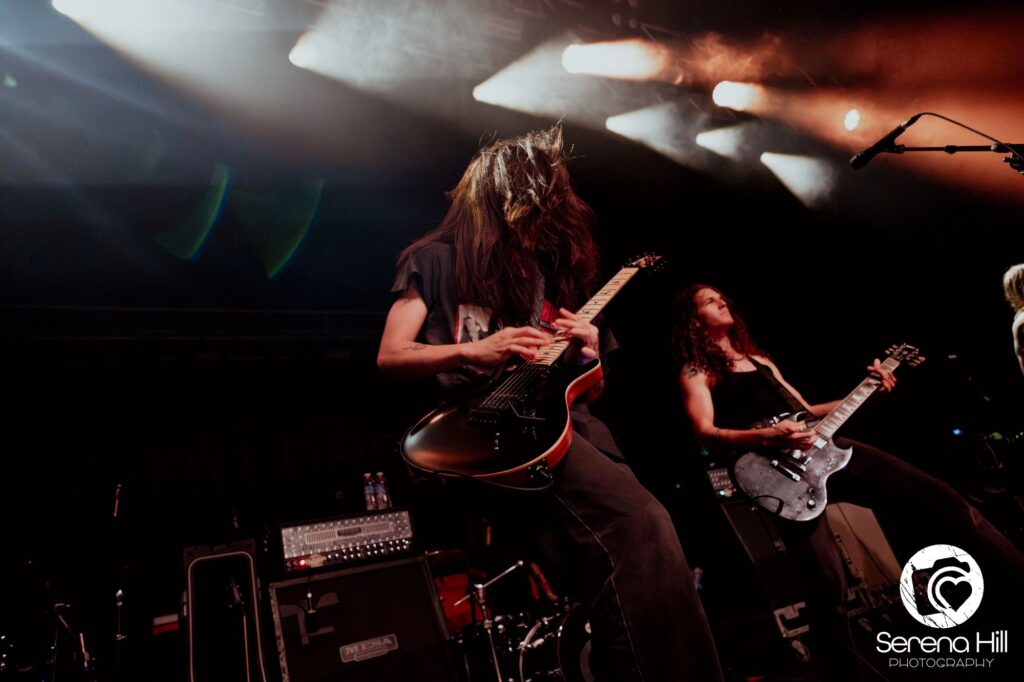
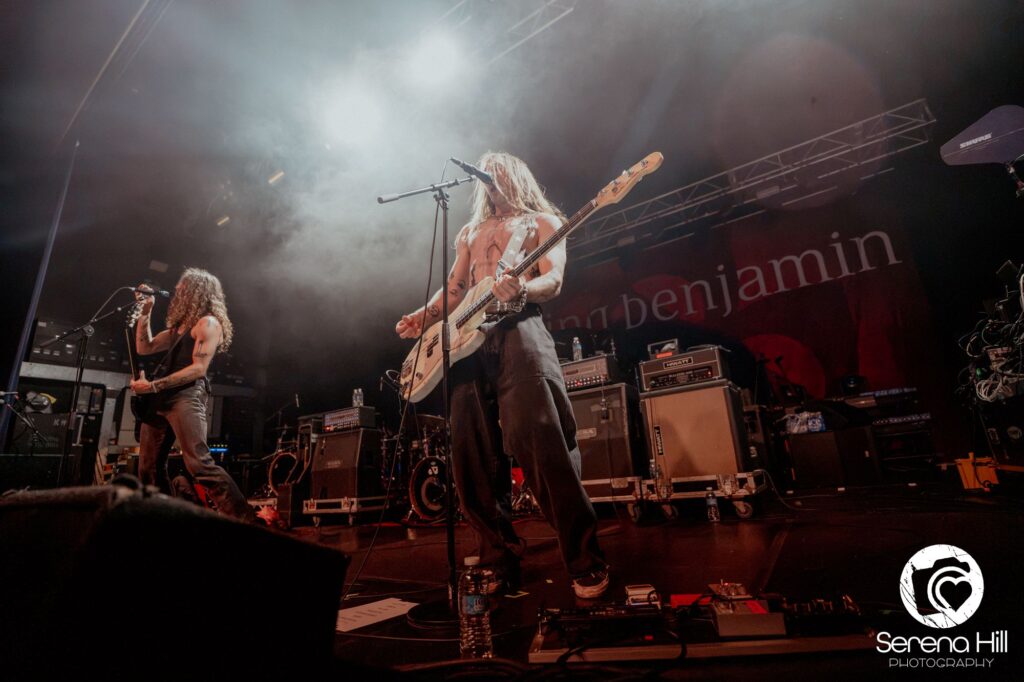 Return To Dust live @ O2 Academy, Birmingham. Photo Credit: Serena Hill
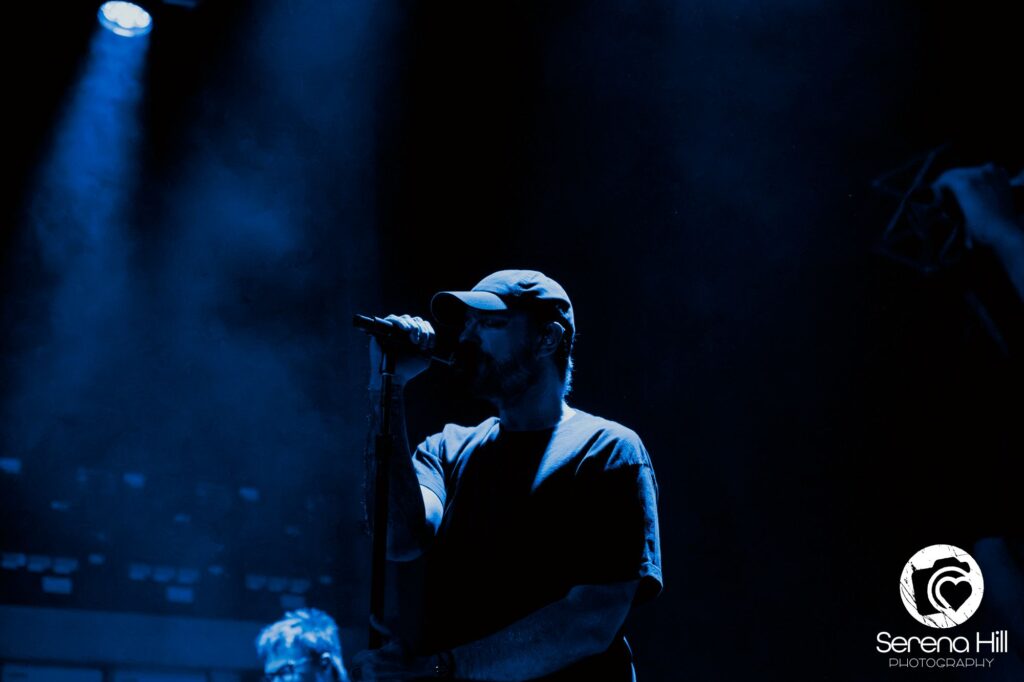
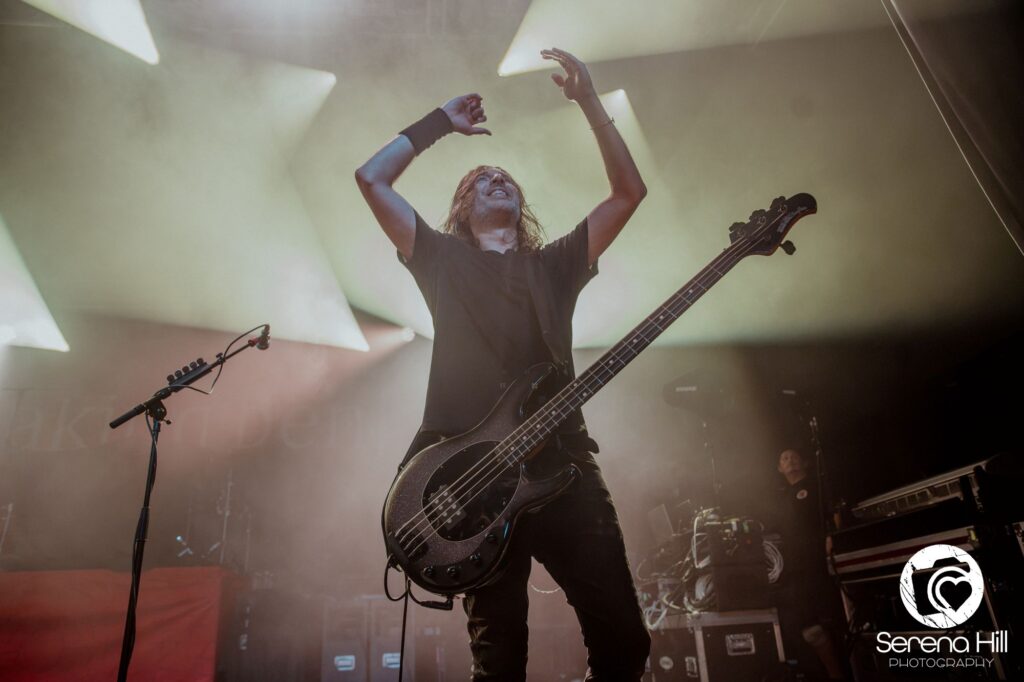
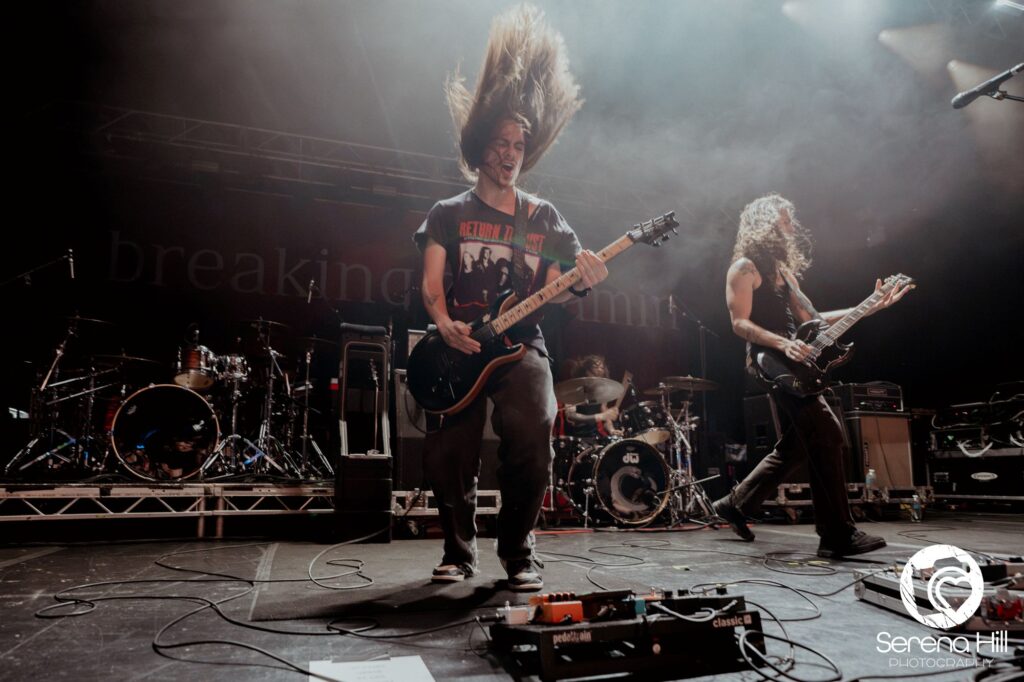
 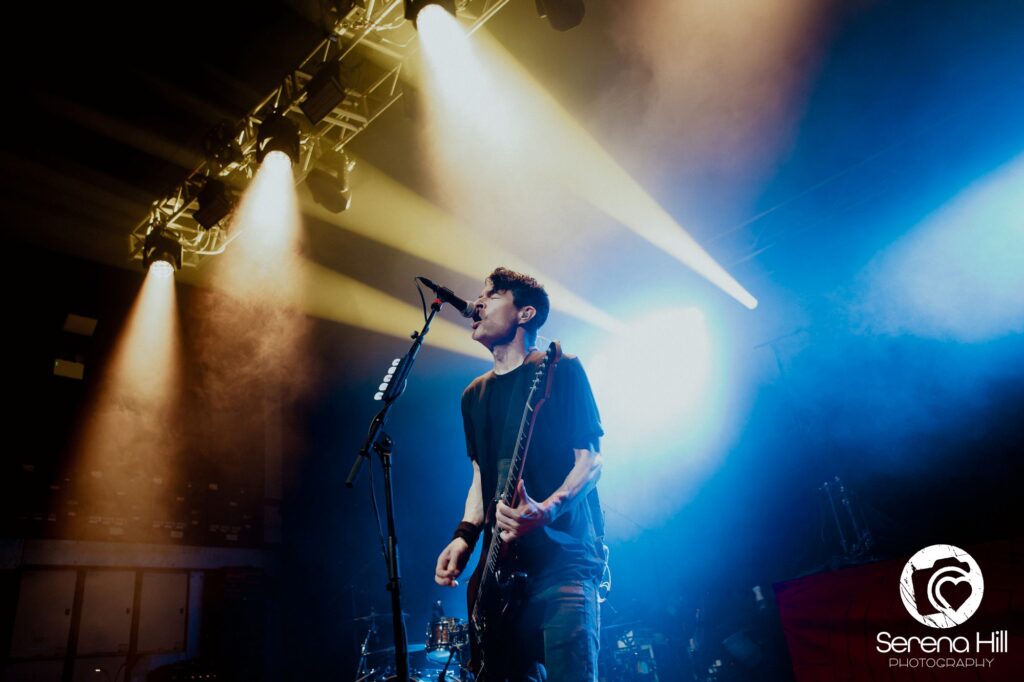 Chevelle live @ O2 Academy, Birmingham. Photo Credit: Serena Hill Photography
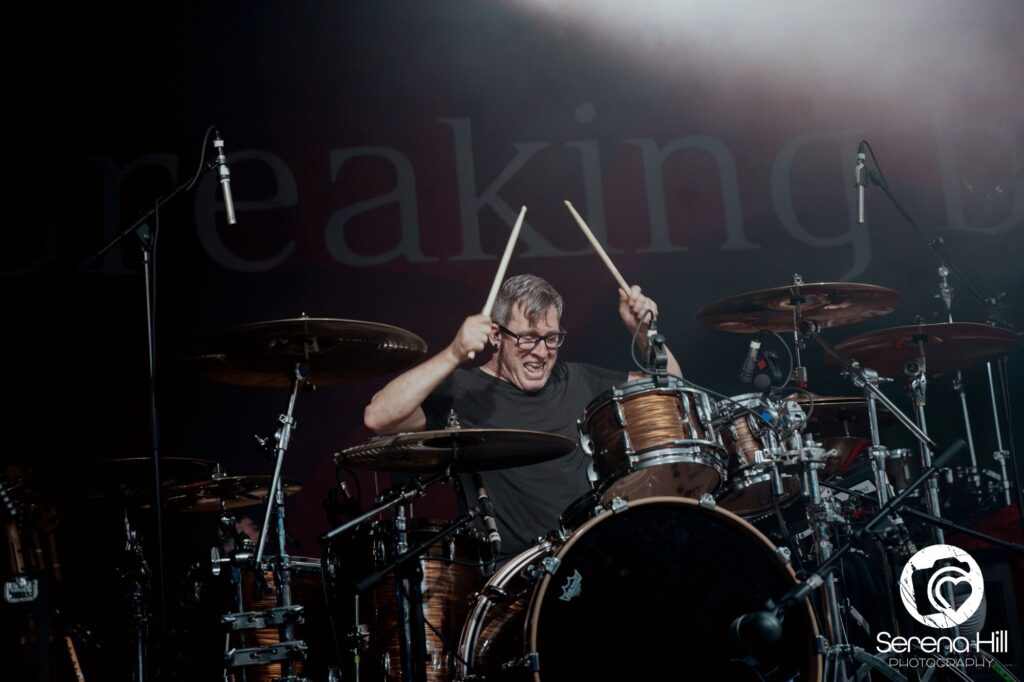
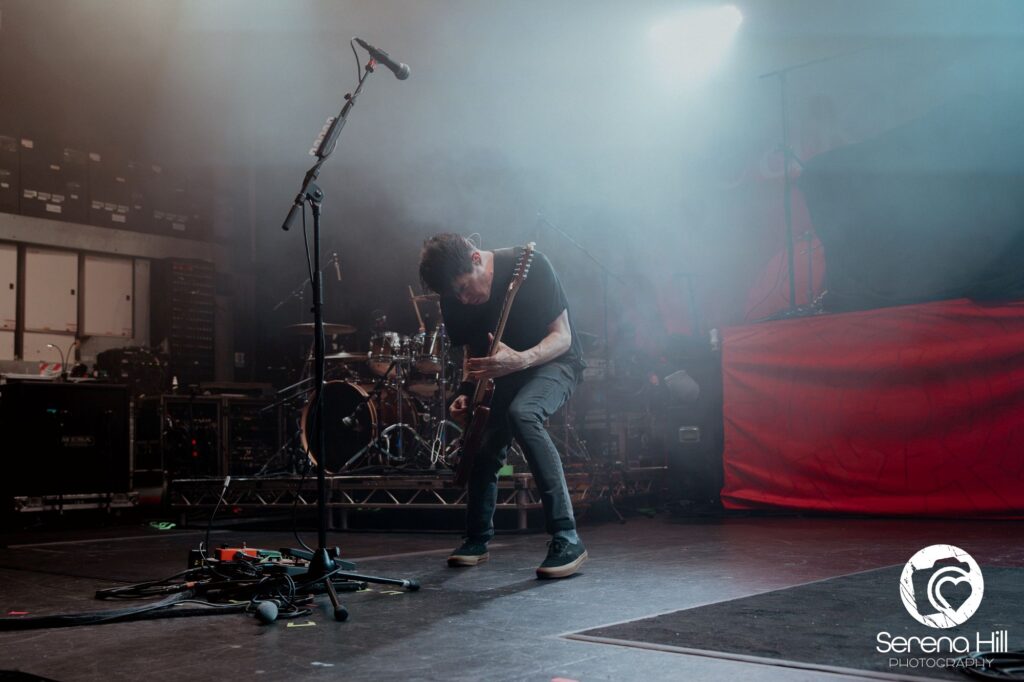
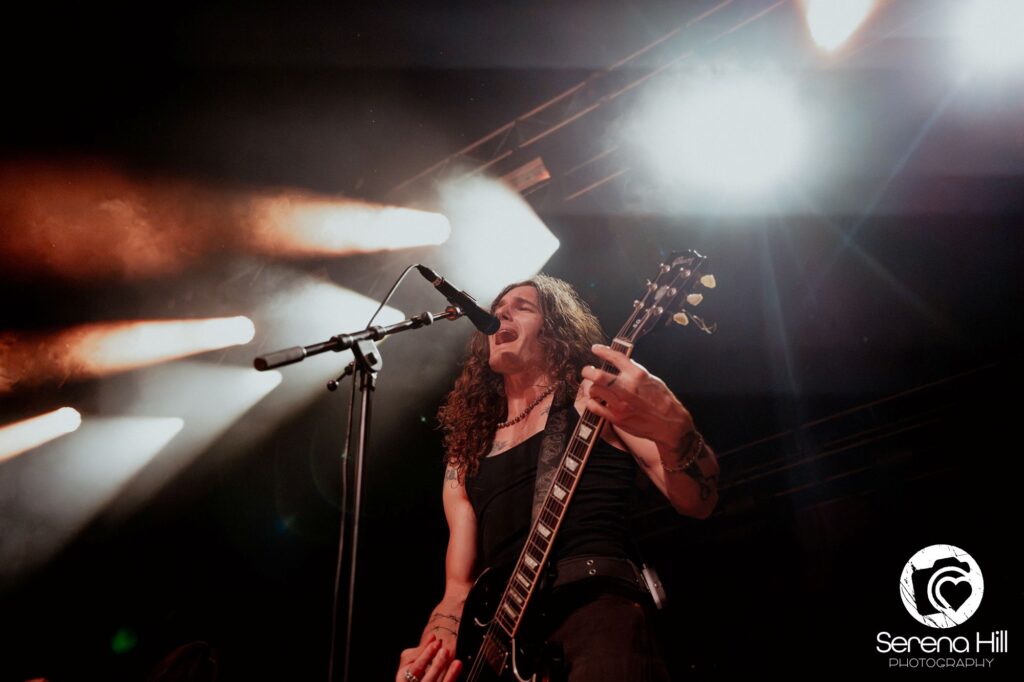
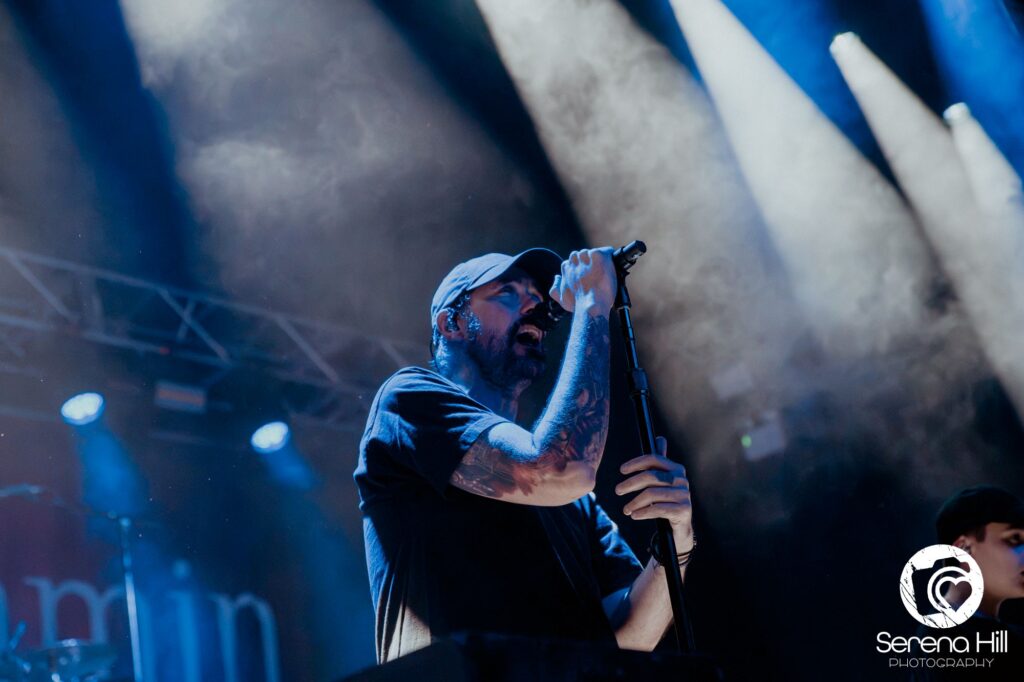 Breaking Benjamin live @ O2 Academy, Birmingham. Photo Credit: Serena Hill Photography
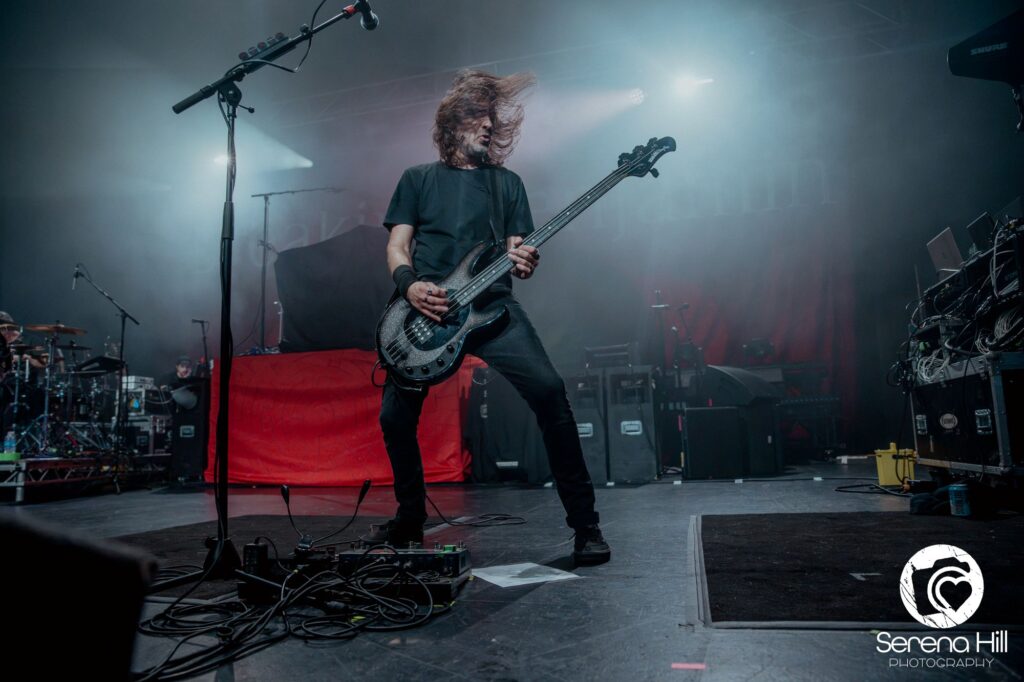
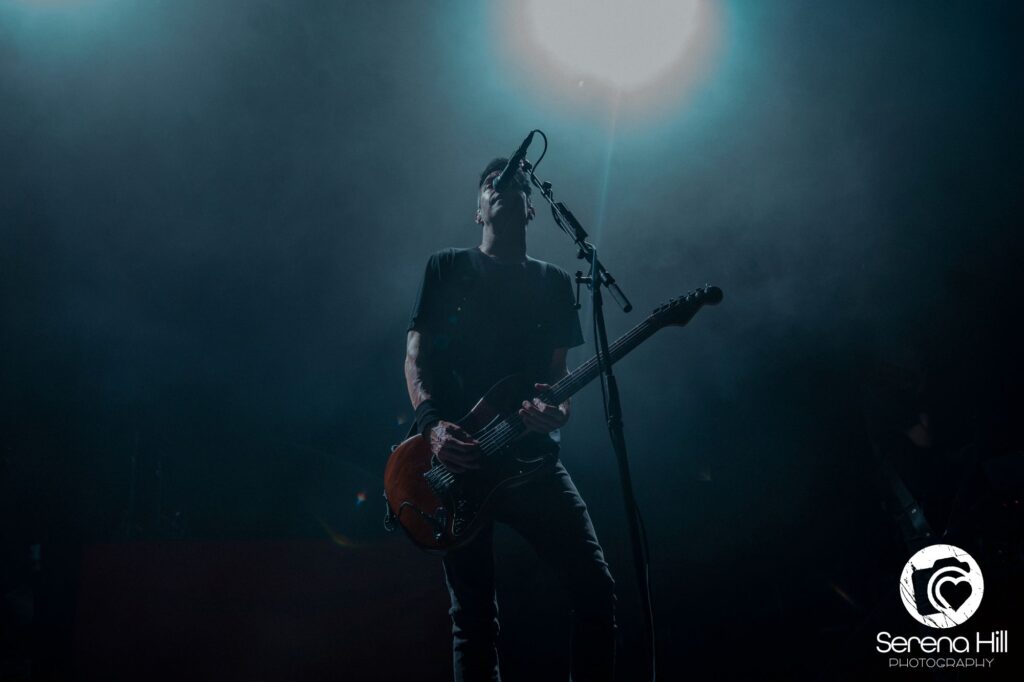
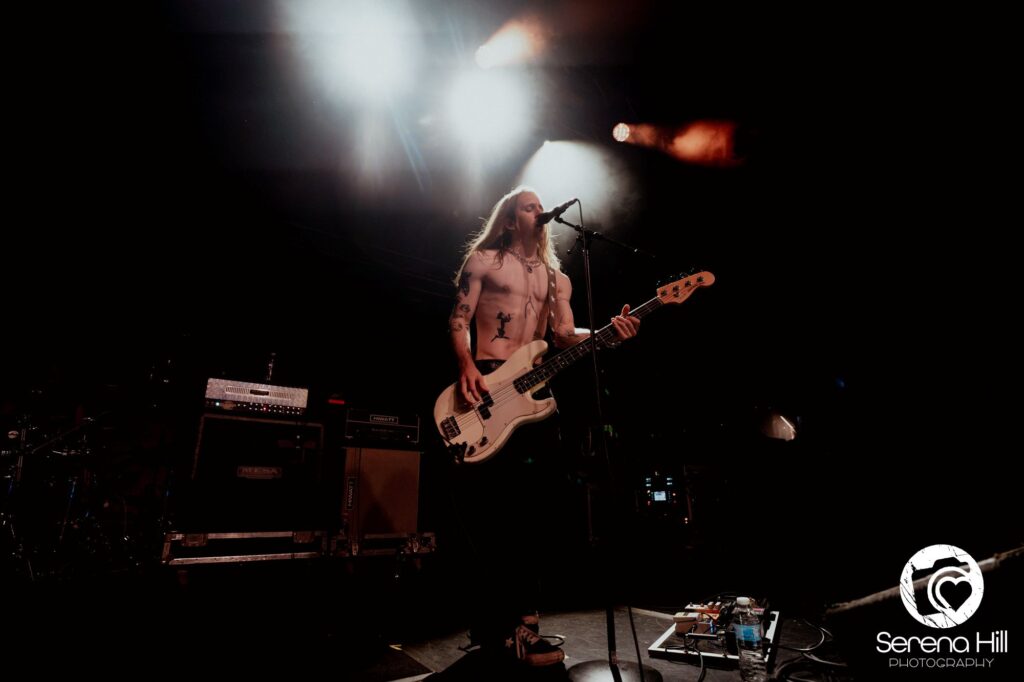
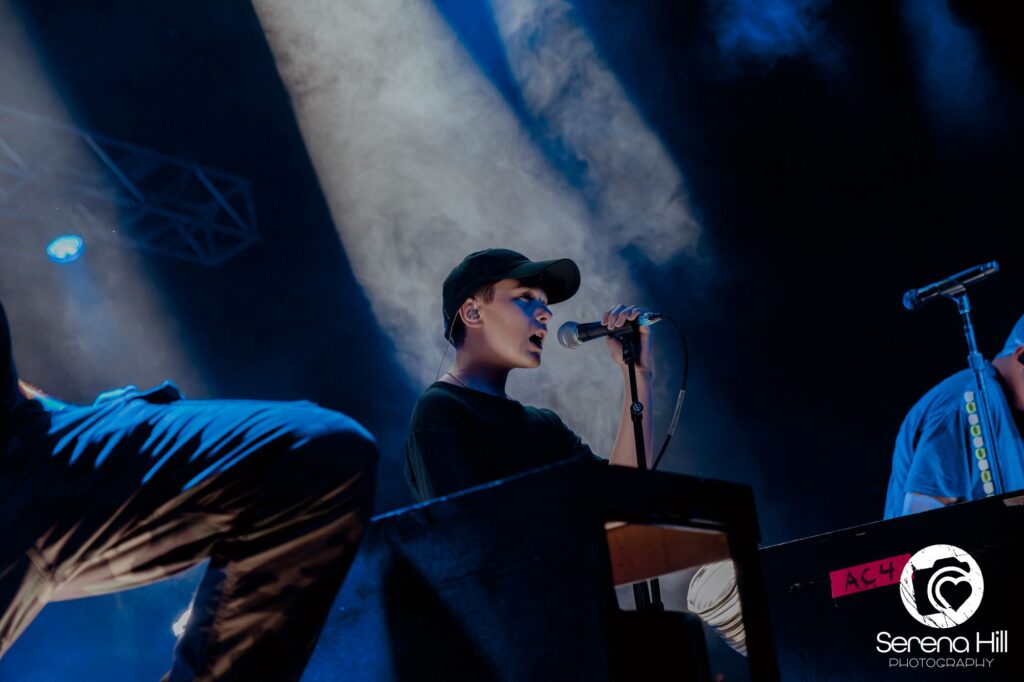 Breaking Benjamin live @ O2 Academy, Birmingham. Photo Credit: Serena Hill